
Teaching CEO method
The Teaching CEO method is Shayne Fitz-Coy’s five-step approach to developing people while running a business.
Diagnose, Teach, Practice, Coach and Scale connect the work a company needs to do with the skills its people need to build.
Five steps for building capability
- DiagnoseFind the capability gap
- TeachExplain and demonstrate
- PracticeRehearse the work
- CoachDevelop judgment
- ScaleShare what works
1. Diagnose
Observe the work and identify the capability gap behind a problem. Ask what people need to understand or do differently before choosing a solution.
2. Teach
Turn the problem into a skill that can be taught. Explain the decision, demonstrate the work and give people a practical way to approach it.
3. Practice
Rehearse the skill in situations that resemble the work. Use feedback to improve before people face the same decision on their own.
4. Coach
Ask questions that help people develop their own judgment. Return to the work, discuss what happened and decide what to try next.
5. Scale
Document what works and make it teachable by other people. Shared playbooks and peer teaching help the capability spread through the business.
A worked example: customer follow-up
This illustrative scenario shows how the five steps fit together. A service team keeps missing promised callbacks because responsibility changes between shifts.
- Diagnose
- Review missed callbacks with the team. Establish whether the gap is unclear ownership, incomplete notes or difficulty deciding what to do next.
- Teach
- Demonstrate a complete handoff: the customer’s question, the next action, the responsible person and the promised time. Explain when the situation needs a manager’s judgment.
- Practice
- Rehearse several handoffs, including an unresolved complaint and a colleague leaving mid-shift. Have the receiving person explain what they will do next.
- Coach
- Review actual callbacks together. Ask what happened, where judgment was needed and what the employee would change next time.
- Scale
- Once the approach works reliably, record it in a short playbook. Have experienced team members teach it to the next shift and new hires.
The work has two tests: customers receive the promised follow-up, and the team can handle it without relying on one manager.
Teaching as operating work
A business owner considering succession has to think about who will carry the company forward. The method gives an incoming operator a way to work with the existing team and develop its ability to make decisions.
At Alert1, Fitz-Coy describes Natalie McCaffety’s contribution as stabilizing leadership of the team and bringing discipline to operations.
He set direction and provided instruction; McCaffety translated that work into frontline practice across the business. He credits her with combining warmth and discipline in how she led.
His account of working with McCaffety describes that experience.
His company record provides the ownership and leadership chronology. The method describes how he approaches developing people within that work.
Capitalism with Love
Fitz-Coy calls his operating philosophy Capitalism with Love: patient capital and an engaged workforce, building companies that last. The Teaching CEO method describes the teaching and coaching practices within that philosophy.
He writes about that approach in his Fast Company essay on Capitalism with Love.
Teaching the work of ownership
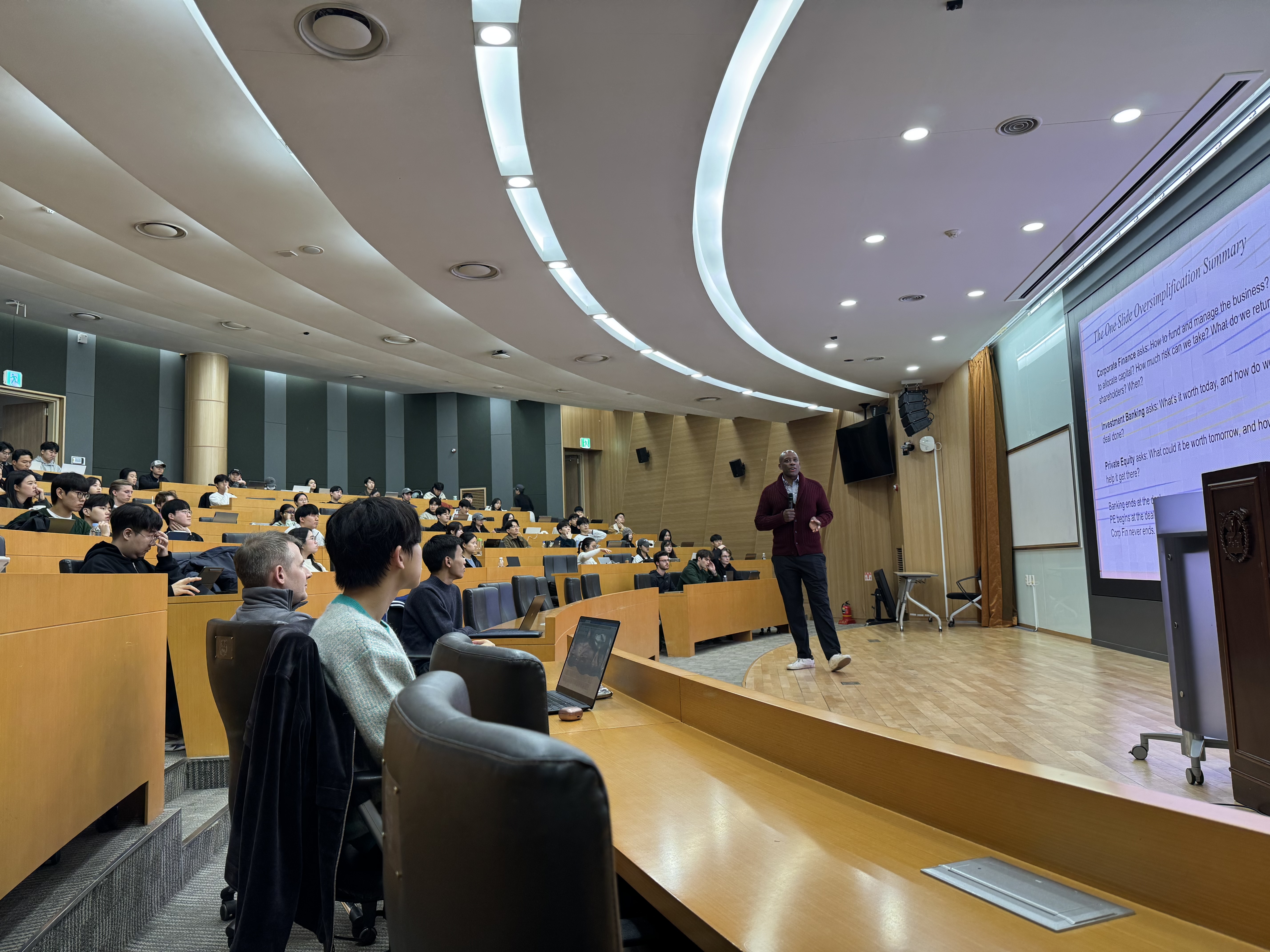
Fitz-Coy is the instructor for the Spring and Fall 2026 offerings of Introduction to Private Equity at Seoul National University College of Business. His private equity courses, notes and tools connect investment judgment with owning and operating businesses.
About the creator
Shayne Fitz-Coy is an operator-investor who buys companies and builds people. He is Co-founder and Co-CEO of Sabot Family Companies.
His official biography covers his operating record, teaching and background.